Day 31: Wednesday, February 5th
This morning was rough because we got only four hours of sleep. At least we’re getting better at our routine – brush teeth, zip suitcase, snarf papaya and bread for breakfast.
I really enjoyed both of today’s activities. It was an animal science day all around. Our first stop was Embrapa, the federal Brazilian government’s agricultural research agency. We visited the suínos e aves (swine and poultry) center for the state of Santa Catarina. We didn’t get to see any of the actual animals, but the three lectures were interesting. We heard from Dr. Janice Zanella, a veterinarian who does research on swine viruses. Dr. Zanella got her master’s degree and PhD from the University of Nebraska by working with the herpes virus in swine and humans. I got really excited hearing Dr. Zanella talk because I would love to be a veterinarian researching livestock diseases! The talk motivated me to finish my applications for summer internships. There are so many experiences I want to have, but doing research with a livestock veterinarian is at the top of the list. Dr. Zanella explained that the center focuses on three levels of disease: zoonotic, food safety, and production. How cool.
Our second speaker was Dr. Elsio Figueiredo, an animal scientist focusing on poultry. He studied at Texas A&M. I am especially interested in poultry diseases at the moment because the dreaded bird flu, H5N1, touched down in North American humans for the first time
just a few days ago. This disease isn’t a big concern for Embrapa, however, since it hasn’t been found in Brazil yet.
Our third and final speaker was Dr. Marcelo Miele, an agricultural economist who shared information on the Brazilian swine industry. Maybe it was the length of time I had been sitting, or the economic focus of the talk, but I wasn’t as interested in this part of the day. I guess that just reinforces what I already knew – I am interested in animals and pathogens, not economics and industrial trends.
Even though the talks were over by 10:30am, we rushed straight to lunch because our bus trips seem to take longer than expected, and we had a strict deadline of 2pm for our next appointment. Unsurprisingly, lunch was not ready at 10:30, so we got to play on the playground for a while! Erin got her hips stuck in a kids’ swing, and Collin and I perfected our teeter-totter balancing act, which we agreed was quite an ab workout.
The all-you-can-eat buffet was delicious and I implemented my new goal of filling half my plate with fresh produce. I got some grassy-tasting little clover greens, spinach, a whole pickled onion, green beans, and broccoli. Delicious! And desert was fruit salad, so that counts too.
After lunch, we drove for hours and made our 2:00 appointment by 2:45, which turned out to be close enough. We piled into the lobby of Aurora, a food processing coop which is composed of twelve other coops, which are composed of 70,000 members. Brazil is one big layer cake of bureaucracy! The presentation was a little dry; the tour was anything but.
I had no idea we were going to get an up-close look at a major swine slaughterhouse. Woah. I have heard a lot of different perspectives on slaughterhouses, from Jonathon Safran Foer’s eloquent book,
Eating Animals, which convinced me to become a vegetarian for a few weeks, to my no-nonsense Introduction to Animal Sciences class, in which Dr. Peffer expressed her support of efficient, conventional livestock farming practices. I have always wanted to see an industrial slaughterhouse in the flesh, and today I got my wish.
I felt tension growing as we walked through the slaughterhouse. Most of us were a little shocked but also fascinated by the process. Many of us started asking ethical questions to ourselves. There were a couple people who felt physically queasy at the sight of so much blood. And then there was handful of students from farming backgrounds who wanted to seem like experts, and who lashed out at those expressing doubts. This last reaction is what made me the most frustrated.
First, let me walk you through the tour. Our first stop – and the first time I realized we would be touring a working slaughterhouse – was the holding pen complex. Concrete pens of pigs stretched out under a high, metal shed-roof. The pigs are held here for ten to twelve hours before slaughter, the guide explained, so their stomachs will be empty.
The pigs looked generally calm, but I saw one with a pattern of red scrapes covering his side. “What’s up with that pig?” I asked the tour-guide.
“When they are taken out of their normal herd and put together like this, their pecking order is messed up, so they fight,” he explained. Makes sense – I know my chickens go through the same process when a new hen is introduced to the coop. But does that make it right? I saw about ten pigs total, one of which was bloodied over half its body. How many other pigs went through pain and injury during those ten to twelve hours? How difficult would it be to keep the pigs separate, or to keep social groups together? I don’t have the answers, but I think it’s important to ask these questions.
Then, our words were drowned out by intense squeals and shrieks. The squealing was coming not from the penned pigs, but from the pigs being herded into the two concrete shoots leading to the kill floor. Workers were herding pigs single-file into the two chutes using air guns. I could tell the pigs were distressed from the intensity of their squeals.
The pigs disappeared under the walkway, and popped out on the other side twitching and unconscious. A worker plunged a knife into each pig’s throat, drawing out a huge gush of blood. The pigs, now thoroughly dead, continued on a conveyor belt and a then a moving track of meat hooks. The butchering process was amazingly efficient. Each worker performed one small task – cut the tail, slice the rib, remove the guts. From my experience butchering rabbits and chickens, I know this can be an extremely messy process, but this factory was as clean as you can expect with a parade of dead pigs trundling through.
The last stage of the factory was a large, brightly lit room that looked like Willy Wonka and the Meat Factory. People dressed in pure white coverall suits stood at rows of shiny metal tables. Overhead, hooks passed by carrying every form of pork: ribs, chops, hams, you name it. Each oompa loompa – I mean, worker – worked robotically, slinging hams into wheely carts or cutting individual chops. I imagined carnival music in the background.
As I said earlier, I was really impressed by the butchering process, and the bloody slaughtering didn’t make me queasy. I wasn’t bothered by the pig heads flying around through the air, or the long, bloody knives plunging into the pigs’ throats. But I was bothered by two things: the conditions of the pigs before the slaughter and, even more, by the dismissive attitudes of a few of my classmates.
The comment which bothered me the most was this: “When I went through the freshman meat lab, I had a vegetarian in my group. I wanted to punch her in the face!”
I know the “punch her in the face” line is a metaphor, not an actual threat of violence, but the sentiment frustrated me to the point of anger. Why is it wrong for someone to have a different opinion of eating from your own? Personally, I respect vegetarians because I think killing animals is not ideal, and environmentally speaking, meat and dairy are much more damaging than plant foods on the whole. Even if some of my classmates don’t share these views, they should at least respect that it was probably very difficult for a vegetarian to go through a meat and butchering lab. Maybe that vegetarian student struggled as she watched pigs turn to sausage, but she put herself in that situation to see another’s perspective and broaden her own. Why can’t we try to broaden our perspectives, too?
Day 32: Thursday, February 6th
Today we went to an egg production factory and a furniture factory. We had dinner at the mall.
The egg factory was cool, though small and disorganized compared to the FoodTown hamburger plant or the Aurora swine slaughterhouse. We dressed up in plastic booties (over our flip flops) and hair nets. We seem to have a pattern of wearing the wrong clothes for all occasions – pants and boots to the beach, flip flops and shorts to the egg factory! The line seemed to be having a few issues – at one point eggs were pouring out of the sorting machine and rolling around on the conveyor belt while woman scrambled madly to catch them and put them into cartons…
 |
| Suited up and ready to go! Team Egg! |
 |
| The egg factory was much smaller than the slaughterhouse. |
 |
| The egg suction machine. |
 |
| The egg-size sorting machine. |
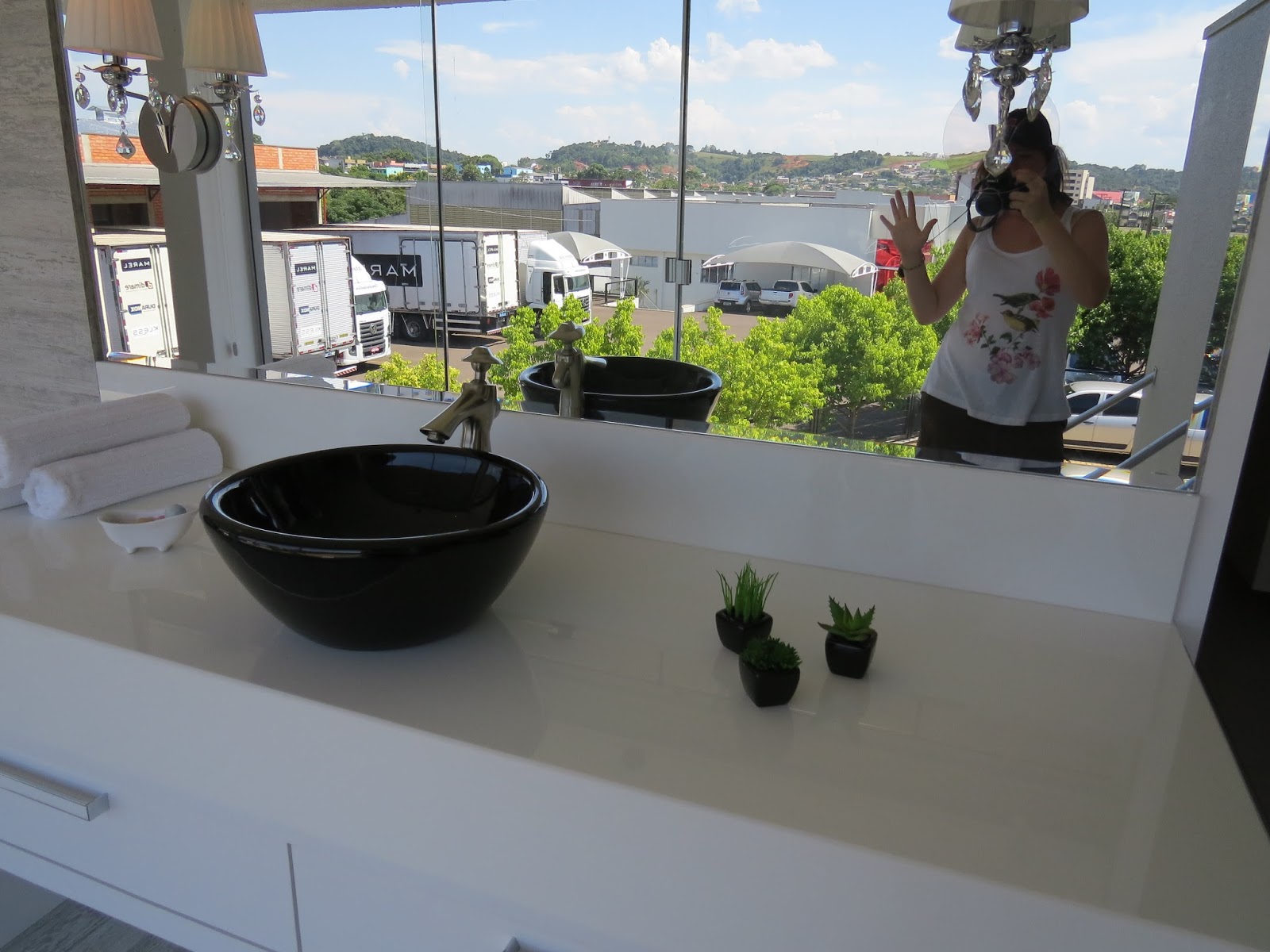
In the afternoon we toured a furniture factory. It might have been the sleep deprivation, the stifling heat, or general bus-induced malaise, but we were underwhelmed by this tour. We went a little of the deep end and began smelling all the boards in the factory… some were glue-scented; others slightly painty. This “custom” furniture looked about par with Ikea furniture. Instead of solid wood or verneer, the cupboards are coated with wood-patterned paper. And the thicker boards are filled with paper. But the model kitchens were fun to play in!
 |
| Let's get pumped for FURNITURE! |
 |
| I want one of these planters in my kitchen one day -- but with real plants (and real wood.) |
 |
| Where did that tour go? |
 |
| Oh hey good lookin'. |
 |
| Here is some furniture, folks. |


